
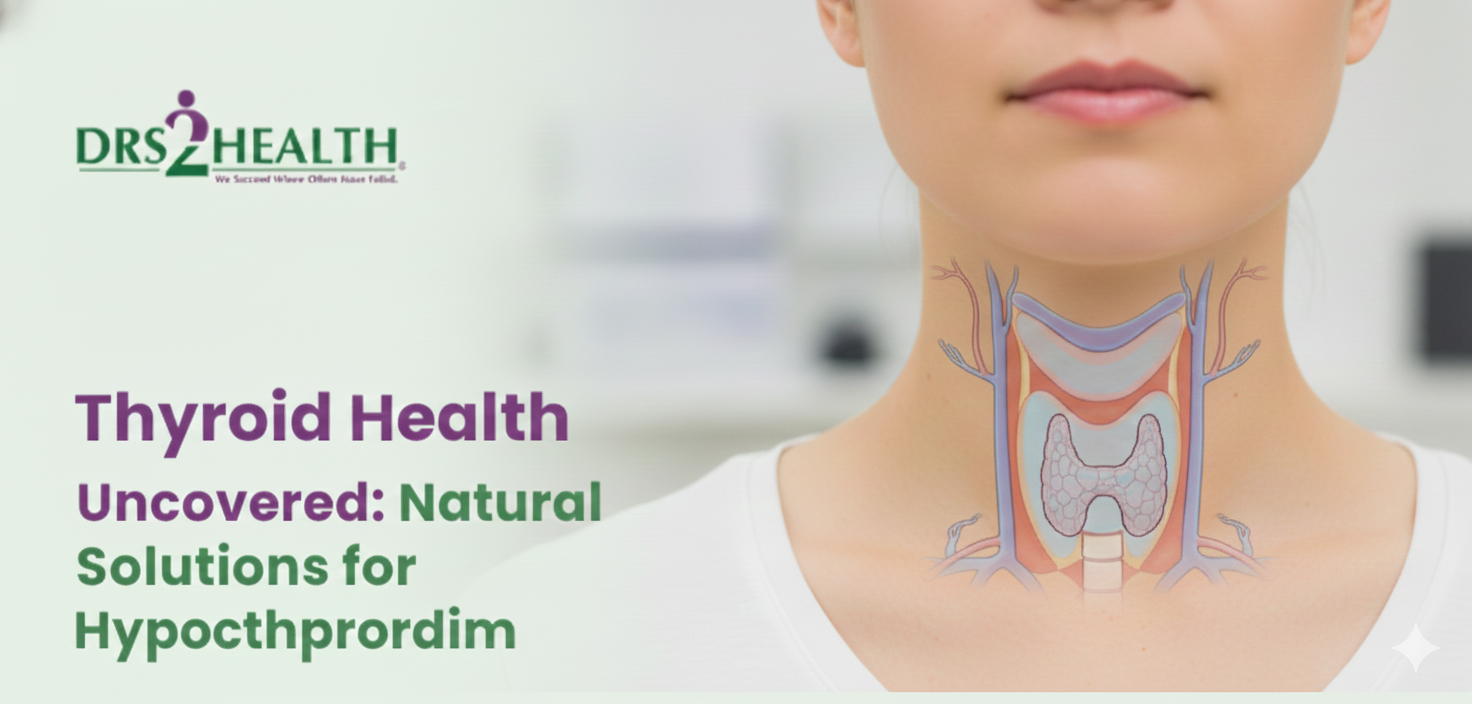
Your thyroid might be small, but it’s mighty. This butterfly-shaped gland in your neck controls your metabolism, energy levels, body temperature, and so much more. When it’s not working properly specifically when it’s underactive you’re dealing with hypothyroidism, and life can feel like you’re trudging through mud.
If you’ve been told your thyroid levels are “borderline” or you’re already on medication but still feel terrible, you’re not alone. Millions of people struggle with thyroid issues, and many don’t realize there are natural solutions that can work alongside or sometimes even replace conventional treatment.
At DRS2HEALTH, we’ve helped countless patients reclaim their energy and vitality by addressing thyroid health from a holistic, naturopathic perspective. Let’s dive into what’s really going on with your thyroid and how you can support it naturally.
Understanding Hypothyroidism: More Than Just a Sluggish Gland
Hypothyroidism occurs when your thyroid doesn’t produce enough thyroid hormones primarily T3 (triiodothyronine) and T4 (thyroxine). These hormones are essential for virtually every cell in your body, which is why the symptoms can be so widespread and debilitating.
Common Signs Your Thyroid Needs Support
- Persistent fatigue that doesn’t improve with rest
- Unexplained weight gain or difficulty losing weight
- Feeling cold all the time, especially in your hands and feet
- Brain fog, difficulty concentrating, or memory issues
- Depression or mood swings
- Dry skin, brittle hair, or hair loss
- Constipation or sluggish digestion
- Heavy or irregular menstrual periods
- Muscle weakness or joint pain
- Puffy face or swelling
Sound familiar? Many people live with these symptoms for years, dismissing them as “just getting older” or “being stressed.” But your body is trying to tell you something important.
Why Standard Testing Isn’t Always Enough
Here’s something frustrating: you can have all the symptoms of hypothyroidism and still be told your thyroid is “fine” based on standard lab tests. That’s because most conventional doctors only test TSH (thyroid stimulating hormone), and they use reference ranges that are often too broad.
The Complete Thyroid Panel
At DRS2HEALTH, we believe in comprehensive testing that includes:
- TSH (Thyroid Stimulating Hormone): The signal from your brain telling your thyroid to produce hormones
- Free T4: The inactive form of thyroid hormone
- Free T3: The active form your cells actually use
- Reverse T3: An inactive form that can block thyroid function
- Thyroid Antibodies (TPO and TG): To identify autoimmune thyroid disease (Hashimoto’s)
This fuller picture helps us understand not just if your thyroid is struggling, but why and that’s crucial for effective treatment.
The Root Causes Behind Hypothyroidism
Before we can truly heal the thyroid, we need to understand what’s causing it to underperform. In naturopathic medicine, we don’t just suppress symptoms we dig deeper.
1. Autoimmune Thyroid Disease (Hashimoto’s)
About 90% of hypothyroidism cases in the United States are caused by Hashimoto’s thyroiditis, an autoimmune condition where your immune system attacks your thyroid gland. Yet many people are never tested for it, and even when diagnosed, they’re often told “there’s nothing you can do except take thyroid medication.”
That’s simply not true. While you may need thyroid hormone replacement, addressing the autoimmune component can slow or even halt the progression of the disease.
2. Nutrient Deficiencies
Your thyroid is nutrient-hungry. It needs specific vitamins and minerals to function properly:
- Iodine: Essential for thyroid hormone production
- Selenium: Converts T4 to active T3 and protects the thyroid from oxidative damage
- Zinc: Necessary for thyroid hormone production and conversion
- Iron: Low iron impairs thyroid function
- Vitamin D: Deficiency is linked to autoimmune thyroid disease
- B Vitamins: Especially B12, which is often low in hypothyroid patients
3. Chronic Stress and Adrenal Dysfunction
Your thyroid and adrenal glands work together closely. When you’re under chronic stress, your adrenals pump out cortisol, which can suppress thyroid function and reduce the conversion of T4 to T3. This is why stress management isn’t optional it’s essential for thyroid health.
4. Gut Health and Inflammation
There’s a powerful connection between your gut and your thyroid. About 20% of T4 is converted to T3 in your gut, so digestive issues can directly impact thyroid function. Additionally, intestinal permeability (leaky gut) can trigger autoimmune responses, including Hashimoto’s.
5. Environmental Toxins
We live in a toxic world, and certain chemicals can interfere with thyroid function:
- Fluoride and chlorine in water can compete with iodine
- Pesticides and herbicides disrupt endocrine function
- Heavy metals like mercury can damage the thyroid
- BPA and other endocrine disruptors mimic hormones in the body
Natural Solutions for Thyroid Support
Now for the good news: there’s so much you can do naturally to support your thyroid and feel better. Here’s our comprehensive approach at DRS2HEALTH.
1. Nutrition: The Foundation of Thyroid Health
Eat Thyroid-Nourishing Foods:
Focus on whole, nutrient-dense foods that provide the building blocks your thyroid needs. Wild-caught fish (for selenium and omega-3s), seaweed (for iodine), Brazil nuts (for selenium), pumpkin seeds (for zinc), and dark leafy greens (for iron and B vitamins) are all excellent choices.
Balance Your Blood Sugar:
Blood sugar imbalances stress your adrenals and thyroid. Eat regular meals with protein, healthy fats, and fiber to keep your blood sugar stable throughout the day.
Consider the Cruciferous Vegetable Question:
You may have heard that vegetables like broccoli, kale, and cauliflower are “bad” for your thyroid because they contain goitrogens. The truth is more nuanced. These vegetables are incredibly nutritious, and cooking them reduces goitrogenic effects. Unless you’re eating massive quantities raw, they’re generally fine and their benefits outweigh the risks.
What to Avoid:
- Gluten (especially if you have Hashimoto’s there’s a strong connection)
- Processed foods and sugar
- Excessive soy products (unfermented soy can interfere with thyroid function)
- Artificial sweeteners and additives
2. Strategic Supplementation
While food should come first, targeted supplements can make a significant difference:
Selenium (200 mcg daily): Research shows selenium supplementation can reduce thyroid antibodies in Hashimoto’s patients and improve thyroid function.
Vitamin D (dose based on blood levels): Optimizing vitamin D can help modulate the immune system and reduce autoimmune activity.
Zinc (15-30 mg daily): Supports thyroid hormone production and conversion.
B-Complex: Especially important for energy production and nervous system support.
Adaptogenic Herbs: Ashwagandha has been shown to support thyroid function and help the body adapt to stress. Other adaptogens like rhodiola and holy basil can support adrenal function.
Probiotics: To support gut health and reduce inflammation.
Always work with a qualified practitioner to determine the right supplements and doses for your individual needs.
3. Address the Autoimmune Component
If you have Hashimoto’s, addressing the autoimmune aspect is crucial:
- Identify and eliminate food sensitivities (gluten is the most common trigger)
- Heal your gut with bone broth, fermented foods, and targeted supplements
- Reduce overall inflammation through diet and lifestyle
- Support immune regulation with vitamin D, omega-3s, and adequate sleep
4. Stress Management is Non-Negotiable
Chronic stress is thyroid kryptonite. Make stress reduction a priority:
- Practice daily mindfulness or meditation (even 10 minutes helps)
- Get adequate sleep (7-9 hours nightly)
- Engage in gentle movement like yoga, walking, or tai chi
- Set boundaries and learn to say no
- Consider acupuncture for stress and hormonal balance
At DRS2HEALTH, we offer acupuncture treatments that can help balance your thyroid and adrenal function while reducing stress a powerful combination.
5. Support Healthy Detoxification
Reduce your toxic burden and support your body’s natural detoxification:
- Drink filtered water (reverse osmosis removes fluoride and chlorine)
- Choose organic produce when possible, especially for the “Dirty Dozen”
- Use natural, non-toxic personal care and cleaning products
- Sweat regularly through exercise or sauna
- Support liver health with cruciferous vegetables, beets, and dandelion
6. Optimize Your Medications (If Needed)
Sometimes thyroid medication is necessary, and that’s okay. But even then, optimization matters:
- Some people do better on natural desiccated thyroid (like Armour or Nature-Throid) rather than synthetic T4 only (Levothyroxine)
- Adding T3 medication can help if conversion from T4 to T3 is poor
- Take thyroid medication on an empty stomach, away from coffee, calcium, iron, and other supplements
- Retest regularly to ensure optimal dosing
We work collaboratively with your other healthcare providers to ensure you’re on the right medication at the right dose.
7. Test, Don’t Guess
Regular comprehensive testing helps us track your progress and adjust your protocol:
- Complete thyroid panel every 3-6 months
- Nutrient levels (vitamin D, iron, B12, zinc, selenium)
- Inflammatory markers
- Food sensitivity testing if indicated
- Gut health assessment when appropriate
Lifestyle Factors That Make or Break Thyroid Health
Beyond nutrition and supplements, certain lifestyle factors have a profound impact on thyroid function:
Exercise: Finding the Sweet Spot
Exercise is essential, but too much intense exercise can stress the thyroid and adrenals. If you have hypothyroidism:
- Focus on moderate-intensity activities like brisk walking, swimming, or cycling
- Include strength training to boost metabolism
- Practice restorative exercises like yoga and stretching
- Listen to your body and rest when needed
- Avoid excessive endurance training until your thyroid is optimized
Sleep: Your Thyroid’s Recovery Time
Quality sleep is when your body repairs and regenerates. Poor sleep worsens thyroid function and increases inflammation:
- Maintain a consistent sleep schedule
- Keep your bedroom cool (around 65-68°F)
- Minimize blue light exposure in the evening
- Consider blackout curtains
- Avoid eating within 2-3 hours of bedtime
Environmental Factors
- Minimize exposure to endocrine disruptors
- Use natural personal care products
- Choose glass or stainless steel over plastic
- Be cautious with non-stick cookware
- Filter your home air and water
What to Expect on Your Healing Journey
Thyroid healing doesn’t happen overnight, but most people start noticing improvements within a few weeks to months of implementing these natural approaches. You might notice:
- Energy levels gradually improving
- Better mental clarity and mood
- Easier weight management
- Warmer body temperature
- Improved digestion
- Healthier hair and skin
The key is consistency and patience. Your thyroid didn’t develop problems overnight, and it needs time to heal.
The DRS2HEALTH Approach: Personalized, Comprehensive Care
At DRS2HEALTH, we don’t believe in one-size-fits-all protocols. Every person’s thyroid journey is unique, influenced by genetics, lifestyle, environment, and individual health history.
Our comprehensive approach includes:
- Thorough assessment and testing to understand your unique thyroid picture
- Clinical nutrition to provide your thyroid with the nutrients it needs
- Healing herbs to support thyroid function, reduce inflammation, and balance hormones
- Acupuncture to optimize hormonal balance and reduce stress
- Lifestyle counseling to address sleep, stress, and environmental factors
- Ongoing monitoring and adjustment of your personalized protocol
We’re located in the Bronx and serve the greater New York area, providing naturopathic care that works with your body’s innate healing wisdom.
You Don’t Have to Settle for “Just Okay”
Too many people with hypothyroidism are told they just have to live with fatigue, weight gain, and brain fog. That’s not true. While managing thyroid issues takes commitment and often requires a multi-faceted approach, significant improvement is possible and you deserve to feel vibrant, energetic, and like yourself again.
If you’re struggling with thyroid symptoms or have been diagnosed with hypothyroidism but aren’t feeling your best, we’re here to help. Natural medicine offers powerful tools to support your thyroid health and address the root causes of your symptoms, not just mask them.
Ready to take the next step in your thyroid healing journey? Book a consultation with us at DRS2HEALTH, and let’s create a personalized plan to help you reclaim your energy and vitality.
Disclaimer: This blog post is for educational purposes only and is not intended to replace professional medical advice. Always consult with a qualified healthcare provider before making changes to your treatment plan.
Contact DRS2HEALTH:
3307 Rochambeau Ave, Bronx, NY 10467
Email: info@doctorstohealth.com
Book Your Appointment Today
Disclaimer
This article is for awareness only. Do not self-medicate. Always consult a qualified Naturopathic doctor for proper advice and treatment.

Dr. Dorette Lewis-Senior, ND, is a naturopathic doctor at DRS2Health in New York. She focuses on holistic and personalized care, helping patients address the root causes of health concerns through naturopathic medicine, nutrition, and lifestyle support.