
If you’ve recently searched for “PCOS name changed to PMOS”, you’re not alone.
Across the United States, many women have started seeing headlines about a possible new name for Polycystic Ovary Syndrome, commonly known as PCOS. Naturally, this has raised several important questions:
- Has PCOS officially been renamed?
- What does PMOS mean?
- Does this change affect diagnosis or treatment?
- Should women with PCOS be concerned?
The simple answer is: not yet.
Some international medical experts have proposed replacing the term PCOS with PMOS, or Polyfollicular Metabolic Ovulatory Syndrome. However, this change has not been officially adopted worldwide.
Even so, the discussion reflects an important shift in how healthcare professionals understand the condition.
At DRS2Health, our focus has always been on treating the whole person—not just the diagnosis. Whether the condition is called PCOS or PMOS, identifying the underlying hormonal, metabolic, nutritional, and lifestyle factors remains essential for supporting long-term wellness.
What Is PCOS?
Polycystic Ovary Syndrome is one of the most common hormonal disorders affecting women of reproductive age.
Many women live with PCOS for years without receiving a diagnosis because symptoms can vary significantly from one person to another.
Common Symptoms of PCOS
- Irregular or absent menstrual cycles
- Acne
- Weight gain or difficulty losing weight
- Excess facial or body hair
- Hair thinning
- Difficulty getting pregnant
- Fatigue
- Insulin resistance
- Mood changes
Despite its name, not every woman diagnosed with PCOS develops ovarian cysts. Some women meet the diagnostic criteria for PCOS without having cysts at all.
This is one of the main reasons experts believe the current name may not accurately describe the condition.
Why Are Experts Talking About Changing PCOS to PMOS?
The proposed term PMOS stands for Polyfollicular Metabolic Ovulatory Syndrome.
Many healthcare professionals believe this name may better reflect what is currently understood about the condition.
Rather than being only an ovarian disorder, PCOS can affect several systems throughout the body, including:
- Hormonal balance
- Blood sugar regulation
- Insulin sensitivity
- Metabolism
- Inflammation
- Ovulation
- Cardiovascular health
Experts who support the proposed name change believe that focusing only on “polycystic ovaries” can be misleading because the condition extends far beyond the ovaries.
The proposed PMOS name emphasizes both the metabolic and reproductive aspects of the disorder.
Has PCOS Officially Been Renamed?
No. PCOS has not officially been renamed PMOS.
PCOS remains the recognized medical diagnosis currently used by healthcare providers throughout the United States, including New York.
The term PMOS is part of an ongoing international discussion among researchers and medical organizations. It has not yet replaced PCOS in routine medical care, insurance documentation, or official diagnostic guidelines.
Patients should continue using the term PCOS when discussing their condition with physicians, specialists, laboratories, or insurance providers.
PCOS vs. PMOS: What Is the Difference?
| PCOS | PMOS — Proposed Name |
|---|---|
| Focuses heavily on ovarian appearance | Focuses on metabolism and ovulation |
| May suggest ovarian cysts are required | Recognizes that the condition affects the whole body |
| Traditional medical terminology | Proposed terminology based on newer understanding |
| Officially recognized diagnosis | Not yet officially adopted |
Regardless of the terminology, the underlying condition remains the same.
Why the Possible PCOS Name Change Matters
Changing the name is not simply about using different words. A more accurate name may influence how patients, healthcare providers, and the public understand the condition.
A broader understanding could potentially support:
- Earlier diagnosis
- Better patient education
- More personalized treatment
- Greater awareness of metabolic health
- Improved long-term disease prevention
Many women spend years treating individual symptoms such as acne, irregular periods, weight gain, or infertility without realizing that these concerns may be connected.
Understanding PCOS as a whole-body condition encourages healthcare providers to look beyond individual symptoms and investigate the deeper factors contributing to them.
PCOS Is More Than a Reproductive Condition
PCOS is often discussed primarily in relation to menstrual cycles and fertility. However, the condition may be associated with several other areas of health.
These may include:
- Insulin resistance
- Chronic inflammation
- Blood sugar imbalance
- Digestive health
- Sleep quality
- Chronic stress
- Cardiovascular risk factors
- Mental and emotional well-being
This helps explain why some women experience symptoms that appear unrelated to their menstrual cycles.
Treating only one symptom may provide temporary relief, but it may leave the contributing hormonal, metabolic, or lifestyle factors unaddressed.
A Holistic Approach to PCOS Care
At DRS2Health, we believe effective care begins with understanding why symptoms are happening.
Rather than focusing only on symptom management, our providers evaluate several interconnected factors, including:
- Hormonal health
- Nutrition and dietary patterns
- Gut and digestive health
- Stress levels
- Sleep patterns
- Lifestyle habits
- Inflammation
- Metabolic function
Through personalized wellness plans, the goal is to support the body’s natural processes while improving overall health and quality of life.
Learn more about our individualized approach on our How We Treat page.
Why Women in New York Are Looking Beyond Conventional Treatment
Life in New York can involve long work hours, ongoing stress, irregular meals, limited sleep, excessive screen time, and little time for self-care.
These lifestyle factors may contribute to hormonal imbalance, blood sugar fluctuations, inflammation, and metabolic dysfunction.
Many women are therefore seeking integrative approaches that combine evidence-informed natural therapies with lifestyle medicine. The goal is not simply to suppress symptoms, but to better understand and address the factors influencing long-term health.
At our Wellness Center in NYC, we work with individuals who want comprehensive care that considers multiple aspects of their health and lifestyle.
Does the Name Change Affect PCOS Treatment?
At present, the proposed name change does not alter how PCOS is diagnosed or managed.
Whether the condition is referred to as PCOS or PMOS, care should still be personalized according to an individual’s symptoms, medical history, laboratory findings, lifestyle, and health goals.
A comprehensive plan may focus on areas such as:
- Supporting regular menstrual cycles
- Improving insulin sensitivity
- Supporting healthy blood sugar balance
- Reducing inflammation
- Improving nutrition and digestion
- Managing stress
- Supporting sleep quality
- Addressing fertility concerns
The terminology may eventually change, but the importance of personalized, whole-person care remains the same.
When Should You Seek Professional Support?
Consider speaking with a qualified healthcare provider if you are experiencing:
- Irregular, infrequent, or absent periods
- Unexplained weight gain
- Persistent acne
- Excess facial or body hair
- Hair thinning
- Fatigue
- Difficulty conceiving
- Signs of insulin resistance
- Ongoing mood changes
A comprehensive evaluation can help determine whether PCOS or another hormonal or metabolic condition may be contributing to your symptoms.
You can learn more about the conditions we support by visiting our What We Treat page.
Frequently Asked Questions
Is PCOS officially called PMOS now?
No. PCOS is still the officially recognized medical diagnosis. PMOS is a proposed name being discussed by researchers and medical experts.
What does PMOS stand for?
PMOS stands for Polyfollicular Metabolic Ovulatory Syndrome. The proposed name is intended to reflect the metabolic and ovulatory aspects of the condition more accurately.
Why do experts want to rename PCOS?
Many experts believe the term PCOS does not fully represent the condition because not every woman has ovarian cysts. PCOS can also affect metabolism, insulin sensitivity, inflammation, ovulation, and overall health.
Does the treatment change if PCOS becomes PMOS?
No. The focus remains on identifying and managing the hormonal, metabolic, nutritional, and lifestyle factors affecting each individual.
Can PCOS affect more than fertility?
Yes. PCOS can influence insulin resistance, metabolism, cardiovascular health, mood, energy levels, skin health, hair growth, sleep, and overall well-being.
Can you have PCOS without ovarian cysts?
Yes. Not every woman with PCOS has ovarian cysts. Diagnosis may be based on a combination of irregular ovulation, signs of elevated androgen levels, and ovarian appearance.
When should I seek professional help?
If you are experiencing irregular periods, unexplained weight gain, acne, excessive hair growth, fatigue, hair thinning, or difficulty conceiving, consider consulting a qualified healthcare provider for a comprehensive evaluation.
Supporting Women’s Health Beyond the Diagnosis
Whether the medical community continues using the name PCOS or eventually adopts PMOS, one thing is becoming increasingly clear: this condition is about much more than the ovaries.
A deeper understanding can help women seek more comprehensive care, recognize possible root causes earlier, and make informed decisions about their health.
At DRS2Health, our mission is to help patients move beyond isolated symptom management through a personalized, whole-body approach to wellness.
If you are looking for a naturopathic doctor in NYC or want guidance on managing PCOS through an integrative approach, our experienced providers are here to support you.
Take the Next Step Toward Better Hormonal Health
Schedule a personalized consultation with DRS2Health to discuss your symptoms, health history, and wellness goals.
Explore More from DRS2Health
- Learn about our holistic philosophy on the About Us page.
- Meet our experienced Naturopathic Doctors in NYC.
- Discover our personalized How We Treat approach.
- Explore the conditions we care for on our What We Treat page.
- Visit our Wellness Center NYC page to learn about our integrative services.
- Interested in expanding your knowledge? Explore our Trainings programs.
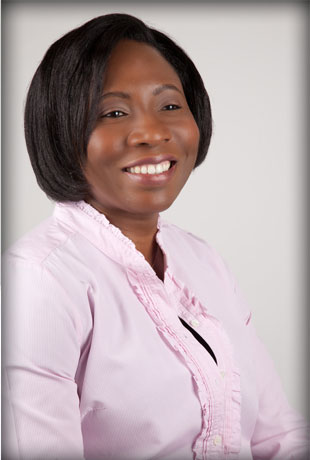
Dr. Dorette Lewis-Senior, ND, is a naturopathic doctor at DRS2Health in New York. She focuses on holistic and personalized care, helping patients address the root causes of health concerns through naturopathic medicine, nutrition, and lifestyle support.