
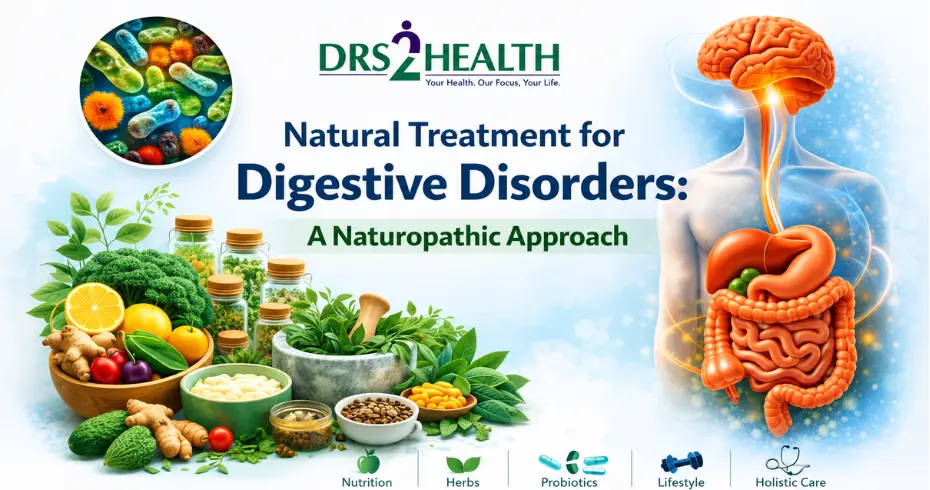
Digestive disorders are among the most common health concerns affecting adults today. Many people experience symptoms such as bloating, gas, constipation, diarrhea, acid reflux, and abdominal pain without understanding the root cause of their digestive problems. While conventional treatments often focus on managing symptoms, naturopathic medicine focuses on identifying and treating the underlying causes of digestive disorders.
Natural treatment for digestive disorders focuses on improving gut health, restoring digestive function, reducing inflammation, and addressing the root cause of digestive problems through diet, probiotics, herbal medicine, and lifestyle changes. This naturopathic approach aims to improve long-term digestive health rather than providing temporary symptom relief. If you are struggling with chronic digestive issues, seeking digestive health treatment through a holistic approach may help address the root cause of your symptoms.
What Are Digestive Disorders?
Digestive disorders are conditions that affect the gastrointestinal (GI) tract, including the stomach, intestines, liver, pancreas, and gallbladder. The digestive system is responsible for breaking down food, absorbing nutrients, and eliminating waste from the body. When the digestive system does not function properly, it can lead to various health problems and symptoms.
Digestive disorders can be acute (short-term) or chronic (long-term). Acute digestive issues may include food poisoning or infections, while chronic digestive disorders include conditions such as irritable bowel syndrome (IBS), gastroesophageal reflux disease (GERD), inflammatory bowel disease (IBD), and chronic constipation.
Proper digestion is essential because the body relies on nutrients from food for energy, immune function, hormone production, and overall health. Poor digestion can lead to nutrient deficiencies, inflammation, fatigue, and other chronic health problems.
Common Digestive Disorders
There are many different digestive disorders that affect the gastrointestinal system. Some of the most common digestive conditions include:
Irritable Bowel Syndrome (IBS)
IBS is a common digestive disorder that affects the large intestine and can cause abdominal pain, bloating, gas, diarrhea, and constipation.
Acid Reflux and GERD
Acid reflux occurs when stomach acid flows back into the esophagus, causing heartburn and irritation. Chronic acid reflux is known as GERD.
Constipation
Constipation involves infrequent bowel movements or difficulty passing stool and is often related to diet, hydration, and lifestyle factors.
Bloating and Gas
Bloating and gas are common digestive complaints that may be caused by food intolerances, gut bacteria imbalance, or poor digestion.
Inflammatory Bowel Disease (IBD)
IBD includes Crohn’s disease and ulcerative colitis, which involve chronic inflammation of the digestive tract.
Celiac Disease
Celiac disease is an autoimmune condition triggered by gluten that damages the small intestine.
Leaky Gut Syndrome
Leaky gut occurs when the intestinal lining becomes damaged and allows toxins and undigested food particles to enter the bloodstream.
Small Intestinal Bacterial Overgrowth (SIBO)
SIBO occurs when bacteria grow in the small intestine where they should not be, leading to bloating, gas, diarrhea, and nutrient malabsorption.
Symptoms of Digestive Disorders
Digestive disorders can cause a wide range of symptoms, including:
- Abdominal pain
- Bloating
- Gas
- Diarrhea
- Constipation
- Heartburn
- Nausea
- Vomiting
- Food sensitivities
- Fatigue
- Brain fog
- Loss of appetite
- Irregular bowel movements
If these symptoms occur frequently or become chronic, it may indicate an underlying digestive disorder that requires evaluation and treatment.
Causes of Digestive Disorders
Digestive disorders can develop due to many factors, including diet, lifestyle, stress, and gut health imbalance. Some of the most common causes include:
- Poor diet and processed foods
- Low fiber intake
- Food sensitivities and intolerances
- Gut bacteria imbalance (dysbiosis)
- Chronic stress
- Infections or bacterial overgrowth
- Inflammation
- Autoimmune conditions
- Medication use, especially antibiotics
- Lack of physical activity
- Dehydration
- Hormonal imbalance
Many digestive disorders are caused by a combination of diet, lifestyle, gut bacteria imbalance, and stress rather than a single factor.
Why Digestive Health Is Important for Overall Health
Digestive health is closely connected to overall health. The digestive system is responsible not only for breaking down food but also for immune function, inflammation control, hormone balance, and mental health.
The gut contains trillions of bacteria known as the gut microbiome, which plays an important role in digestion, immune function, and inflammation. Nearly 70% of the immune system is located in the gut, which means poor gut health can affect the immune system and increase inflammation in the body.
Poor digestive health can contribute to:
- Fatigue
- Skin problems
- Hormonal imbalance
- Autoimmune conditions
- Food sensitivities
- Anxiety and depression
- Chronic inflammation
- Nutrient deficiencies
Improving digestive health often improves overall health and energy levels.
The Gut–Brain Connection and Digestive Health
The digestive system and the brain are closely connected through what is known as the gut–brain axis. The digestive system has its own nervous system called the enteric nervous system, and it communicates with the brain through the vagus nerve.
Stress, anxiety, and emotional health can directly affect digestion. Many people experience digestive symptoms such as stomach pain, diarrhea, constipation, or nausea during stressful situations. Similarly, gut health can also affect mood, mental health, and energy levels.
A large portion of serotonin, a neurotransmitter that affects mood and sleep, is produced in the gut, which explains the strong connection between digestive health and mental health.
The Naturopathic Approach to Digestive Disorders
Naturopathic medicine focuses on identifying and treating the root cause of digestive disorders rather than only treating symptoms. Our naturopathic doctors use a comprehensive approach that includes diet, lifestyle changes, herbal medicine, and functional testing.
The naturopathic approach may include:
- Root cause evaluation
- Food sensitivity testing
- Stool testing and microbiome analysis
- Inflammation testing
- Hormone testing
- Nutritional deficiency testing
- Personalized nutrition plans
- Herbal medicine protocols
- Probiotics and digestive enzymes
- Stress management and lifestyle changes
Naturopathic treatment plans are personalized because digestive disorders often have multiple causes such as diet, stress, inflammation, and gut bacteria imbalance.
Natural Treatments for Digestive Disorders
Natural treatment for digestive disorders focuses on restoring balance in the digestive system and supporting the body’s natural healing process.
Common natural treatments include:
- Dietary changes
- Probiotics
- Prebiotics and fiber
- Herbal medicine
- Digestive enzymes
- Stress management
- Lifestyle changes
- Hydration
- Sleep improvement
- Anti-inflammatory nutrition
These treatments aim to improve digestion, reduce inflammation, restore gut bacteria balance, and support long-term digestive health.
Diet for Digestive Health
Diet plays one of the most important roles in digestive health. Many digestive disorders improve significantly with dietary changes.
Foods that support digestive health include:
- Vegetables
- Fruits
- Whole grains
- Fiber-rich foods
- Fermented foods
- Yogurt and kefir
- Leafy greens
- Ginger
- Turmeric
- Bone broth
- Healthy fats
- Plenty of water
Foods that may worsen digestive problems include processed foods, fried foods, excess sugar, artificial sweeteners, alcohol, and carbonated drinks.
Probiotics and Gut Health
Probiotics are beneficial bacteria that help maintain a healthy gut microbiome. A healthy balance of gut bacteria is important for digestion, immune function, and inflammation control.
Probiotics may help with IBS, diarrhea, constipation, bloating, gut inflammation, and immune health. Prebiotics, which are types of fiber that feed good bacteria, are also important for maintaining gut health.
Herbal Medicine for Digestion
Herbal medicine is commonly used in naturopathic medicine to support digestion and reduce inflammation. Common herbs for digestive health include ginger, peppermint, chamomile, fennel, turmeric, licorice root, slippery elm, and aloe vera.
These herbs may help reduce bloating, improve digestion, soothe the digestive tract, and reduce inflammation.
Lifestyle Changes for Digestive Health
Lifestyle habits play a major role in digestive health. Improving lifestyle habits can significantly improve digestive disorders.
Important lifestyle changes include:
- Managing stress
- Getting enough sleep
- Drinking enough water
- Exercising regularly
- Eating slowly
- Avoiding overeating
- Maintaining a regular eating schedule
- Reducing alcohol intake
- Avoiding smoking
When to See a Naturopathic Doctor for Digestive Disorders
You should consider seeing a naturopathic doctor if you experience chronic bloating, IBS, acid reflux, constipation, diarrhea, food sensitivities, fatigue, leaky gut, SIBO, or chronic inflammation. If you are experiencing ongoing digestive issues, you may want to schedule a consultation to determine the root cause of your symptoms and create a personalized treatment plan. You can also review patient success stories to see how naturopathic treatment has helped others improve their digestive health.
If you are looking for personalized digestive health care, it is important to work with an experienced practitioner. Our article on choosing a naturopathic doctor in New York City explains how to find the right doctor for your health needs.
Conclusion
Digestive disorders are common and can significantly affect overall health and quality of life. Natural treatment for digestive disorders focuses on addressing the root cause, improving gut health, reducing inflammation, and supporting the body’s natural healing process. Through diet, probiotics, herbal medicine, lifestyle changes, and functional testing, naturopathic medicine provides a holistic approach to digestive health and long-term wellness. If you are looking for a natural and holistic approach to digestive health, visiting a holistic health clinic may help you find long-term solutions for your digestive problems.
Frequently Asked Questions
What is the natural treatment for digestive disorders?
Natural treatment includes diet changes, probiotics, herbal medicine, digestive enzymes, stress management, and lifestyle changes that improve gut health and digestion.
How do naturopathic doctors treat digestive disorders?
Naturopathic doctors treat digestive disorders by identifying root causes such as food sensitivities, gut bacteria imbalance, inflammation, and stress, and then creating personalized treatment plans.
What causes digestive disorders?
Digestive disorders can be caused by poor diet, stress, gut bacteria imbalance, infections, inflammation, food sensitivities, and lifestyle factors.
How long does it take to heal the gut?
Gut healing time varies depending on the condition, but many people see improvements within a few weeks to a few months after improving diet and lifestyle.
Are probiotics good for digestive health?
Yes, probiotics help maintain a healthy balance of gut bacteria and may improve digestion, immune function, and inflammation.
Contact DRS2HEALTH:
3307 Rochambeau Ave, Bronx, NY 10467
Email: info@doctorstohealth.com
Book Your Appointment Today
Disclaimer
This article is for awareness only. Do not self-medicate. Always consult a qualified Naturopathic doctor for proper advice and treatment.

Dr. Dorette Lewis-Senior, ND, is a naturopathic doctor at DRS2Health in New York. She focuses on holistic and personalized care, helping patients address the root causes of health concerns through naturopathic medicine, nutrition, and lifestyle support.