

Irregular menses refers to menstrual cycles that consistently fall outside the normal 21–35 day range, vary significantly in length, or involve abnormal bleeding patterns.
American College of Obstetricians and Gynecologists
, a healthy menstrual cycle typically occurs every 21 to 35 days, with bleeding lasting up to seven days. Cycles outside this range, spotting between periods, or missing multiple periods may indicate an underlying hormonal or medical imbalance.
At drs2health, our Bronx clinic near Montefiore Medical Center helps busy NYC professionals uncover the root causes of irregular periods through a research-backed, patient-centered approach focused on long-term hormonal wellness.
What Is a Normal Menstrual Cycle?
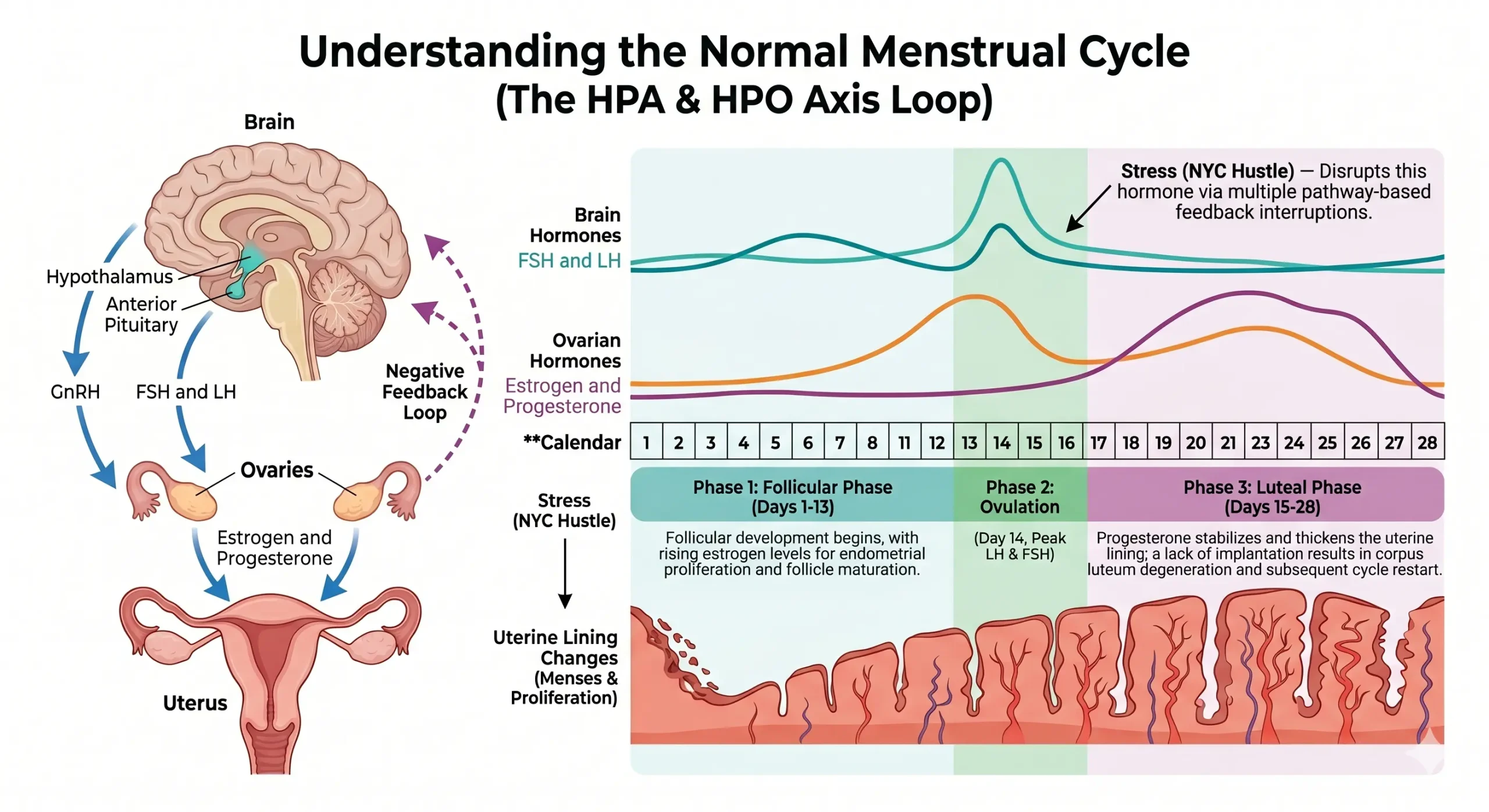
A menstrual cycle is measured from the first day of one period to the first day of the next. While many women believe a normal cycle should always be exactly 28 days, this is not medically accurate.
A healthy menstrual cycle typically:
- Occurs every 21–35 days
- Lasts up to 7 days
- May vary slightly month to month
The menstrual cycle is regulated by several body systems, including:
- Hypothalamus
- Pituitary gland
- Ovaries
- Thyroid gland
- Adrenal glands
Because these systems work together, disruptions in one area can affect the entire menstrual cycle.
Signs and Symptoms of Irregular Menses
Irregular menses can appear differently depending on the cause.
Common symptoms include:
- Periods occurring less than 21 days apart
- Periods occurring more than 35 days apart
- Missing periods for several months
- Spotting between periods
- Bleeding lasting longer than seven days
- Heavy menstrual bleeding
- Severe menstrual cramping
Many women may also experience:
- Acne or oily skin
- Mood swings
- Breast tenderness
- Fatigue
- Hair thinning
- Facial hair growth
- Weight gain
- Difficulty conceiving
These symptoms often provide valuable clues about hormonal health.
The NYC Professional’s Hormonal Timeline
Living and working in New York City creates a unique level of physical and emotional stress that can directly affect hormone balance. Many women do not realize how daily city life impacts their endocrine system until symptoms such as fatigue, burnout, and irregular menses begin to appear.
Morning Cortisol Spikes
For many professionals, the day starts with rushing to catch the subway, navigating crowded streets, and immediately stepping into a high-pressure work environment. Whether it is the 7:00 AM commute or a stressful Manhattan morning meeting, the body often enters stress mode before the workday begins.
This early morning stress can trigger cortisol spikes that may interfere with progesterone production and ovulation, increasing the likelihood of irregular cycles.
Blue Light and Circadian Rhythm Disruption
Many busy professionals spend long hours under office lighting and continue working on phones or laptops late into the evening. Excessive blue light exposure may interfere with melatonin production, disrupting circadian rhythm.
Because the menstrual cycle is closely tied to sleep and hormonal rhythm, poor sleep habits may contribute to hormonal imbalance and cycle disruption.
Decision Fatigue and Hormonal Burnout
Mental stress can also affect hormones. Long hours of meetings, deadlines, multitasking, and constant decision-making may increase cortisol production and contribute to hormonal burnout over time.
Many women explore holistic medicine when looking to better understand the relationship between stress, hormones, and overall health.
What Causes Irregular Menses?
Irregular menses can develop for several reasons, but most cases are linked to hormonal imbalance, metabolic dysfunction, or chronic stress.
Polycystic Ovary Syndrome (PCOS)
PCOS is one of the most common causes of irregular periods and infertility in women. According to the World Health Organization, polycystic ovary syndrome affects 10–13% of reproductive-age women worldwide, with many cases going undiagnosed.
PCOS may interfere with ovulation due to:
- Elevated insulin levels
- Increased androgen production
- Hormonal imbalance
- Ovarian dysfunction
Women with PCOS commonly experience:
- Missed or infrequent periods
- Acne
- Weight gain
- Facial hair growth
- Difficulty conceiving
Thyroid Dysfunction
The thyroid gland regulates metabolism and influences hormone balance throughout the body. According to the American Thyroid Association, one in eight women will develop a thyroid disorder during her lifetime.
Symptoms of thyroid dysfunction may include:
– Fatigue
– Weight changes
– Hair loss
– Brain fog
– Depression
– Cold sensitivity
Both underactive and overactive thyroid conditions can disrupt menstrual regularity. If you would like to learn more about thyroid imbalance, explore our guide on natural solutions for hypothyroidism.
Chronic Stress and Cortisol Imbalance
Research published through PubMed Central shows that chronic stress activates the hypothalamic-pituitary-adrenal (HPA) axis, which may suppress reproductive hormone signaling.
Elevated cortisol may:
- Delay ovulation
- Disrupt hormone production
- Lower reproductive hormone signaling
- Prevent ovulation in severe cases
Nutrient Deficiencies
Nutrients such as magnesium, zinc, and vitamin D support hormone production and menstrual health.
Deficiencies may contribute to:
- PMS symptoms
- Poor ovulation
- Hormonal imbalance
- Painful periods
- Cycle irregularity
Precision Nutrition for the On-the-Go New Yorker
Nutrition is one of the most overlooked aspects of hormone balance, especially for busy professionals relying on convenience foods.
Blood Sugar Stabilization
Skipping meals or eating carb-heavy foods may create blood sugar spikes that worsen hormone imbalance.
Better choices include:
- Choosing protein-first meals
- Prioritizing balanced bowls over pastries or bagels
- Eating meals with protein, fiber, and healthy fats
Seed Cycling
Some women incorporate seed cycling into their wellness routine as part of a natural hormone-supportive strategy.
This involves:
- Pumpkin and flax seeds during the follicular phase
- Sesame and sunflower seeds during the luteal phase
Hydration and Hormonal Health
Coffee-heavy work routines can lead to dehydration, which may affect circulation, digestion, and overall metabolic function.
Environmental Factors and Hormonal Health
Environmental exposures may also affect hormone balance.
Urban Toxin Exposure
Daily exposure to pollutants and certain plastics may contribute to endocrine disruption.
Examples include:
- Plastic food containers
- Heated takeout packaging
- Air pollution
- Household chemicals
Supporting Detoxification Naturally
At drs2health, supporting detoxification may include nutritional and lifestyle strategies designed to help overall wellness and metabolic function.
Many women seek care from naturopathic doctors when looking for a more comprehensive approach to hormonal support.
How Is Irregular Menses Diagnosed?
Diagnosing irregular menses requires understanding the full hormonal and metabolic picture.
Evaluation may include:
- Detailed symptom review
- Menstrual history
- Blood hormone testing
- Thyroid testing
- Pelvic ultrasound
- Insulin resistance screening
Functional Testing for Hormonal Imbalances
The DUTCH Test
The DUTCH Test, developed by Precision Analytical, stands for Dried Urine Test for Comprehensive Hormones.
This advanced assessment evaluates:
- Estrogen
- Progesterone
- Testosterone
- Cortisol
- Cortisol metabolites
- Melatonin
- Organic acid markers
Unlike standard blood work, the DUTCH Test can provide a broader picture of hormone metabolism.
The 90-Day Egg Maturation Window
Hormonal healing requires patience because egg development takes time.
Research suggests it takes approximately 90–100 days for an egg to fully mature before ovulation.
This is why quick fixes rarely create lasting hormonal change. At our Rochambeau Ave clinic, we remind patients that meaningful hormonal improvements require consistency over several months.
What Happens If Irregular Menses Goes Untreated?
Ignoring persistent irregular menses can delay diagnosis of more serious health concerns.
Untreated hormonal imbalance may increase the risk of:
- Fertility difficulties
- Worsening hormone dysfunction
- Insulin resistance progression
- Chronic fatigue
- Missed thyroid disorders
- Delayed diagnosis of reproductive conditions
When Should You See a Doctor for Irregular Menses?
You should seek medical evaluation if:
- Your periods occur less than 21 days apart
- Your periods occur more than 35 days apart
- You miss three or more periods in a row
- Bleeding lasts longer than seven days
- You soak through pads every hour
- You experience severe pelvic pain
- You are struggling to conceive
Why Work With Naturopathic Doctors for Hormonal Health?
Many women experiencing irregular menses want more than temporary symptom management. While conventional treatment may focus on controlling symptoms, many patients seek a deeper understanding of why hormonal imbalances are occurring in the first place.
Working with naturopathic doctors in NYC offers a more holistic and personalized approach to care that focuses on identifying the underlying factors contributing to menstrual irregularities, including hormonal imbalance, thyroid dysfunction, chronic stress, nutritional deficiencies, and metabolic health concerns.
At drs2health, our providers take a comprehensive approach to hormone wellness by creating individualized treatment plans designed to support long-term menstrual health, hormonal balance, and overall well-being. By addressing the root cause rather than simply masking symptoms, many women are able to better understand their bodies and take meaningful steps toward improved reproductive health.
Frequently Asked Questions About Irregular Menses
Can stress cause irregular periods?
Yes. Chronic stress may increase cortisol levels, which can interfere with ovulation and reproductive hormone signaling.
Does irregular menses always mean PCOS?
No. While PCOS is common, thyroid dysfunction, stress, nutrient deficiencies, and lifestyle factors may also cause irregular periods.
Can thyroid problems affect menstrual cycles?
Yes. Thyroid dysfunction may interfere with ovulation and hormone regulation.
Can irregular periods affect fertility?
Yes. If irregular menses is caused by inconsistent ovulation, fertility may be affected.
How long does it take to regulate hormones naturally?
Hormonal improvements often take two to three menstrual cycles depending on the root cause.
Conclusion
Irregular menses is often the body’s way of signaling that something deeper may be affecting hormonal balance. Whether caused by PCOS, thyroid dysfunction, chronic stress, nutrient deficiencies, or lifestyle imbalance, persistent menstrual irregularities deserve proper evaluation.
By assessing hormone levels, stress patterns, nutrition, lifestyle habits, and metabolic health together, many women can uncover the root cause of their symptoms and begin building healthier cycles over time.
Take the Next Step Toward Hormonal Balance
If you are struggling with irregular menses and want to understand the underlying cause of your symptoms, the team at drs2health is here to help.
Our personalized, holistic approach focuses on identifying the hormonal, metabolic, and lifestyle factors that may be contributing to menstrual irregularities so you can receive care tailored to your unique health needs.
Visit our clinic at 3307 Rochambeau Ave, Bronx, NY 10467 to schedule your personalized Hormone Discovery Call and take the next step toward improved hormonal balance, better menstrual health, and long-term wellness.
Book Your Appointment Today
Disclaimer
This article is for awareness only. Do not self-medicate. Always consult a qualified Naturopathic doctor for proper advice and treatment.

Dr. Dorette Lewis-Senior, ND, is a naturopathic doctor at DRS2Health in New York. She focuses on holistic and personalized care, helping patients address the root causes of health concerns through naturopathic medicine, nutrition, and lifestyle support.